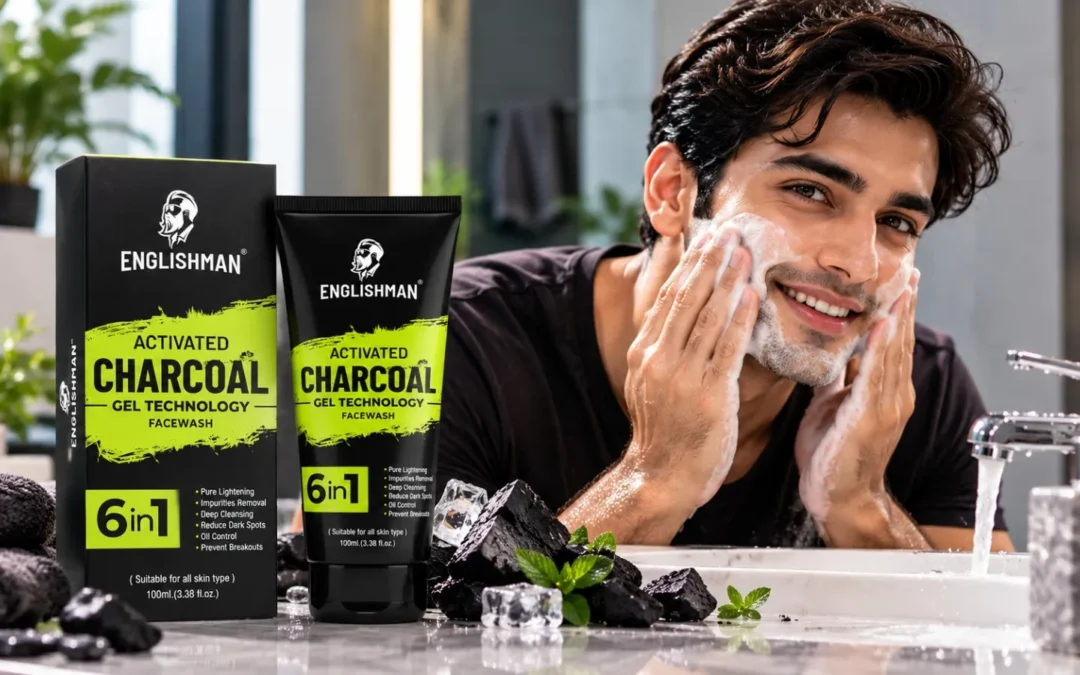

One face. Three different looks. And somehow, your skin never seems to get the memo!
In the morning, your face looks soft and fresh. By lunchtime, your forehead is shining like you’ve applied an extra layer of moisturiser. And by evening? Your skin looks tired, your under-eyes seem more noticeable, and your face has lost that morning glow.
So, what exactly happens between your first look in the mirror and your last?
Before you blame your skincare routine, here’s something interesting: your skin doesn’t stay in the same condition all day. Oil production, hydration, sleep, sunlight, weather and even the products you apply can influence how your complexion looks and feels.
Think of your skin as having three daily moods. Let’s decode each one and find out what it actually needs.
1. Morning Skin: The Fresh Face That Comes With a Few Surprises
You wake up, walk to the mirror and notice two things: your skin looks surprisingly soft, but your eyes look as though they haven’t quite woken up yet.
Welcome to morning, skin!
While you’ve been sleeping, your skin has continued performing its normal maintenance functions. But spending hours lying down can contribute to temporary puffiness around the eyes. Your skin may also feel dry, oily or perfectly balanced, depending on your skin type, sleeping environment and nighttime routine.
And no, you don’t need to panic just because your face looks a little different before breakfast.
Why your morning face has its own personality
- Puffy eyes: Fluid can temporarily collect around the eye area while you sleep.
- Unexpected shine: Your skin continues producing sebum overnight.
- Tight or dry cheeks: Your skin naturally loses water, and environmental conditions can make dryness more noticeable.
- A softer appearance: Hydration and temporary changes in skin fullness can affect how smooth your face looks.
What should you do before your first cup of coffee?
Start simple. If your face feels comfortable, you don’t need to attack it with a strong cleanser.
Choose a gentle face wash that removes overnight oil and sweat without leaving your skin feeling stripped. If a coffee face wash appeals to you, check whether its formula suits your skin rather than choosing it just because coffee sounds energising.
Follow with moisturiser and broad-spectrum SPF 30 or higher.
The morning rule? Prepare your skin for the day instead of trying to fix every little thing you see in the mirror.
2. Afternoon Skin: The Mystery of the Disappearing Glow
It’s 1:30 p.m. You check your reflection and suddenly your nose is shiny, your forehead looks greasy, and your face doesn’t look quite as fresh as it did three hours ago.
You haven’t changed your face. You’ve simply given your skin a few hours to react to the day.
Sebum, sweat, sunscreen, humidity and physical activity can all affect how your skin looks. If you’re spending time outdoors or moving between hot weather and air-conditioned rooms, your skin may feel different again.
And here’s the mistake many people make: they see shine and immediately assume their face needs another wash.
Sometimes, it doesn’t.
Your skin is oily. Does that mean it’s dirty?
Not necessarily.
Sebum is a natural oil that helps keep your skin lubricated and supports its protective barrier. The problem isn’t that your skin produces oil; it’s when excess shine becomes uncomfortable or when oil mixes with sweat and other surface residue.
Washing your face repeatedly can leave your skin irritated or dry without solving the underlying reason for the shine.
The midday rescue plan
Blot, don’t scrub. If your forehead is looking shiny enough to reflect your office lights, gently press blotting paper against the oily areas.
Choose a cleanser that knows its limits. A charcoal face wash may be an option for people who prefer a cleanser marketed for oily skin. An activated charcoal face wash is also commonly promoted for surface cleansing, but charcoal isn’t a miracle ingredient. The complete formula and how your skin responds matter more.
Don’t abandon moisturiser. Even oily skin needs hydration. A lightweight, non-comedogenic moisturiser may feel more comfortable if richer creams leave you greasy.
Keep sunscreen close. If you’re outdoors, reapply sunscreen according to its instructions. Blotting away oil doesn’t provide sun protection.
Here’s the little plot twist: your afternoon shine isn’t proof that your morning routine failed. Your skin is responding to several hours of real life.
3. Evening Skin: When Your Face Looks as Tired as Your Calendar
You’ve finished work, replied to endless messages, travelled through traffic or spent hours running around. Then you look in the mirror and wonder where your fresh morning complexion went.
Your skin looks duller. Your under-eyes appear more prominent. Maybe your cheeks feel rough, or your makeup has settled into places you didn’t notice earlier.
It’s tempting to blame the weather, your face wash or that one product you bought last week. But evening skin often reflects a combination of factors rather than one single problem.
Sun exposure, accumulated oil, sweat, makeup, dehydration and the day’s environmental conditions can all influence your complexion.
What your skin needs after a long day
Think of your evening routine as a reset button, not a punishment for having a busy day.
Step 1: Take the day off your face.
Sunscreen, makeup and excess oil deserve a proper removal routine. Use a suitable makeup remover or cleansing oil first if needed, then follow with a gentle cleanser.
Step 2: Give rough texture the right kind of attention.
If your skin feels rough, you might be tempted to scrub until it feels completely smooth. Resist the urge.
A coffee face scrub may appeal to people who enjoy physical exfoliation, but rough particles and excessive rubbing can irritate the skin. Exfoliation isn’t essential for everyone, and sensitive or irritated skin may be better off skipping it.
Step 3: Replace what your skin needs.
After cleansing, apply moisturiser. If your skin feels tight by evening, look for a formula that helps maintain the skin barrier and reduces moisture loss.
Step 4: Stop adding products just because you’re tired of looking tired.
A complicated routine isn’t automatically a better routine. Gentle cleansing, moisturising and a suitable targeted treatment are often enough to get started.
Your face doesn’t need to be scrubbed back to its morning appearance. It needs to be cleaned, cared for and left alone to do its job.
4. Night-Time Skin: Your Skincare Routine’s Quietest Hours
Here’s something worth thinking about: you spend most of your day reacting to what your skin looks like. At night, you finally have an opportunity to focus on what it needs.
Your skin follows a circadian rhythm, and processes such as barrier function and water loss can vary over a 24-hour period. Meanwhile, adequate sleep supports overall wellbeing and helps you feel more refreshed.
But don’t mistake nighttime for a magical window when every skincare ingredient suddenly works better.
Consistency, suitable formulations and avoiding irritation are much more useful than buying an expensive overnight product simply because it promises beauty sleep.
Build a nighttime routine you’ll actually follow
- Cleanse: Remove the day’s sunscreen, makeup and surface buildup.
- Moisturise: Help your skin stay comfortable and reduce moisture loss.
- Treat specific concerns: If you use ingredients such as retinoids, introduce them gradually and follow appropriate product directions.
- Get enough sleep: Your skin routine cannot compensate for every night of insufficient rest.
If your skin feels dry every morning despite applying moisturiser, take a closer look at your cleanser, bedroom environment and other products. The answer might be a gentler routine rather than another serum.
5. Is Your Skin Changing Type Three Times a Day?
Not quite! Your skin type doesn’t usually switch from dry to oily to combination as the clock moves forward. What changes is its condition.
Here’s how to tell the difference.
The oily-skin experience: Your face may feel comfortable after cleansing but become shiny around the nose and forehead by midday.
The dry-skin experience: Your cheeks may feel tight after washing, and dryness can become more noticeable later in the day.
The combination-skin experience: Your T-zone produces more visible oil while your cheeks remain normal or dry.
The sensitive-skin experience: Your skin may start the day looking calm but become red or uncomfortable after exposure to heat, friction or irritating products.
The normal-skin experience: Your complexion may feel relatively balanced, although it can still respond to weather, hydration and daily activities.
The important distinction is this: your skin type describes its general tendencies; your skin condition describes how it feels right now.
Understanding that difference makes choosing skincare products much easier. Instead of buying a new cleanser every time your face looks different, observe what happens repeatedly and adjust your routine accordingly.
6. Coffee, Charcoal or Hydration: Which Cleanser Fits Your Skin’s Mood?
Walk into the skincare aisle and you’ll find cleansers promising everything from deep cleansing to an instant glow. But your skin doesn’t read product labels. It responds to the ingredients, formulation and how you use them.
Here’s a more practical way to choose.
When your skin feels oily
Look for a cleanser that removes excess oil without leaving your face tight or uncomfortable. A charcoal-based cleanser may suit your preferences, but don’t expect charcoal alone to prevent pimples or permanently control oil production.
When your skin feels dry or tight
A hydrating face wash is worth considering. Look for gentle formulas with moisturising ingredients, such as glycerin, that help cleanse without unnecessarily disrupting the skin barrier.
When you want a coffee-inspired cleanse
A coffee face wash may be appealing if you enjoy its fragrance, texture or overall cleansing experience. However, coffee doesn’t automatically make a cleanser more effective, so pay attention to how your skin feels after using it.
When exfoliation sounds tempting
A coffee face scrub can be an option for those who tolerate physical exfoliation, but more scrubbing doesn’t mean more glow. Avoid aggressive rubbing, and don’t exfoliate skin that’s already irritated.
When you’re shopping for an everyday routine
Whether you’re exploring general skincare products or comparing men’s skin care products, choose according to your skin’s needs rather than the packaging or intended audience. Men and women can have similar skin concerns, and the basics remain the same: gentle cleansing, appropriate moisturising and sun protection.
The real secret? Choose products for your skin, not for the promise printed on the bottle.
7. The Three-Part Routine That Makes Your Day Easier
You don’t need a different collection of products for every hour. You need a routine that works with your day.
Morning: Protect.
- Cleanse gently.
- Apply moisturiser.
- Finish with broad-spectrum sunscreen.
Afternoon: Maintain.
- Blot excess oil when necessary.
- Reapply sunscreen as directed.
- Avoid repeatedly washing your face just to remove shine.
Evening: Reset.
- Remove makeup and sunscreen.
- Cleanse without over-scrubbing.
- Moisturise and apply any suitable targeted treatment.
If your skin feels irritated, simplify the routine. If it feels dry, focus on hydration. If it gets oily, manage the shine without stripping away its natural protective oils.
You don’t need to fight every change you see.
The Bottom Line: Your Skin Doesn’t Owe You the Same Face All Day
Your morning face isn’t necessarily your best face, your afternoon shine isn’t a skincare disaster, and your evening complexion isn’t a sign that your products have stopped working.
Your skin responds to your environment, your routine and its own natural rhythms. Some changes are completely ordinary; persistent irritation, sudden changes or unusual symptoms deserve more attention.
So, the next time you catch your reflection at 3 p.m. and wonder why your skin looks different, take a breath before reaching for another product.
Notice the pattern. Understand what your skin needs. Make small, thoughtful adjustments.
Because the goal of skincare isn’t to look exactly the same from morning to midnight. It’s to help your skin feel comfortable, supported and cared for through every part of your day.
And honestly? That’s a much better beauty goal.